
Full article — scored 9/10
Rovio closes Copenhagen studio after Sonic Blitz cancellation
Rovio is ending its Copenhagen operations after Sega’s Sonic Blitz failed to clear the retention bar in soft launch, turning a cancelled mobile experiment into a wider restructuring moment for the Angry Birds maker.
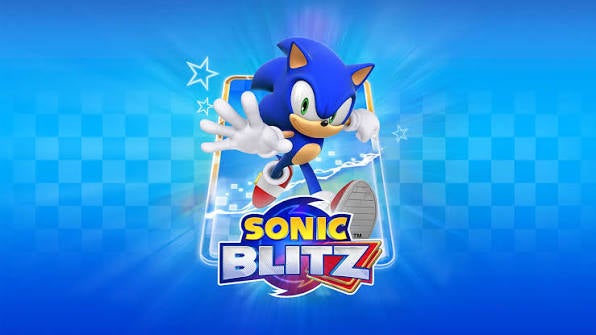
A mobile Sonic bet ends in a studio closure
Rovio’s Copenhagen studio is being shut down after the cancellation of Sonic Blitz, the mobile title it had been developing for Sega’s Sonic franchise . The closure means Rovio will discontinue its operations in Denmark after a redundancy process, with staff either considered for other projects inside Rovio or facing layoffs where no new internal role can be found . Games.ch, citing an official Rovio statement, likewise reported that the company will close the Copenhagen office after the mobile game had already been discontinued .
The decision is more than the end of a single experimental Sonic title. It marks a clear internal reset for Rovio, which is now owned by Sega and has been under pressure to improve the performance of its mobile portfolio . According to recent reporting, around 20 employees worked on the cancelled Sonic Blitz project, though Rovio has not confirmed an exact number of redundancies because the process is not finished . Multiplayer.it also reported that roughly 20 staff were attached to the project and that new placements would be sought for some team members .
Sonic Blitz was conceived as a hybrid between a runner and a collectible card game, using the kinetic appeal of Sonic stages alongside a character-card layer intended to deepen long-term engagement . In practice, that combination did not convert into the kind of sustained player retention Rovio and Sega needed to justify continuing development . Rovio CEO and Sega West COO Alex Pelletier-Normand said the concept looked promising on paper but did not show the necessary engagement over time during validation .
What happened to Sonic Blitz
Sonic Blitz soft-launched in Brazil and the Philippines in June 2025, giving Rovio access to live player data before any wider release . The title was later delisted in February 2026 so the studio could continue work on the game away from the public soft-launch environment . By late August 2026, the project had been cancelled entirely, and the game became unplayable even for users who had already downloaded it as of August 24 .
The game’s structure was unusual for a Sonic mobile project. Players ran through stages collecting rings before entering tactical, team-based battles, with collectible cards adding character information and progression hooks . That design was meant to connect Sonic’s speed with the collection and meta-game loops that often support free-to-play mobile titles . But the core business test for such a product is not whether its idea is understandable; it is whether players return often enough, and long enough, to sustain the service .
Pelletier-Normand said the game’s cards were intended to please Sonic fans by presenting characters and franchise history, but he also acknowledged that the mobile market required validation through engagement data . His conclusion was blunt: retention was not good enough, and the company needed to see people engage for a long period of time . Multiplayer.it reached the same broad reading, reporting that Sonic Blitz did not generate the level of player involvement Sega and Rovio expected during its preliminary launch phase .
The human impact in Copenhagen
For the Copenhagen team, the cancellation has immediate employment consequences. Rovio said that, following the redundancy process, it will discontinue all operations in Denmark, while also saying it cannot yet confirm the exact number of redundancies . The company said it will provide a transition package, including outplacement services and wellbeing support, for employees it cannot move to another Rovio project . Games.ch also reported the same statement and noted that some employees are expected to move to other Rovio projects while others face layoffs .
That distinction matters. The closure is not being presented as a simple project cancellation with everyone automatically dismissed; rather, Rovio is attempting to reallocate some people while ending the Danish operation as a site . Still, the outcome is severe for Copenhagen because the office itself is closing, not merely losing one game . In a sector already marked by layoffs and cost reviews, Rovio’s statement explicitly recognized the broader challenges facing the games industry .
The company’s language also suggests that the studio closure followed a formal redundancy-management process rather than a sudden one-day shutdown . That does not soften the strategic signal: Rovio is consolidating where and how it makes games, and Copenhagen did not survive that review . Pelletier-Normand said Rovio needs to “concentrate” its bets in both the games it makes and the places where it makes them, a comment that frames the closure as part of a broader portfolio discipline rather than merely a reaction to one failed prototype .
Why retention became the decisive metric
The repeated reference to retention is central to understanding why Sonic Blitz ended. In premium games, early buzz or brand recognition can help drive upfront sales; in mobile free-to-play, the critical question is whether players return day after day and build habits around the game . Sonic Blitz carried a major brand, a recognizable character set and a familiar runner foundation, but the soft-launch data apparently did not show enough long-term engagement .
That result is especially important because Sonic is a powerful console and entertainment brand, while Rovio’s expertise lies in mobile live-service design . On paper, the combination looked logical: Sega would bring global IP, Rovio would bring mobile operational experience, and the project would test whether Sonic could support a deeper card-collection loop . Pelletier-Normand nevertheless said reaching more players on mobile with Sonic proved more complicated than either Sega or Rovio had thought .
The failure also illustrates why soft launches can be ruthless. A soft launch is designed to expose a product to real users before a global rollout, allowing developers to tune, pivot or cancel based on evidence . Sonic Blitz passed through several visible stages: regional launch, delisting for more work, final cancellation and now the closure of the studio most closely associated with it . From a business perspective, the studio closure shows that the feedback loop did not stop at the game; it affected the structure of Rovio’s development organization .
A wider Rovio reset under Sega
The Copenhagen decision lands against a difficult backdrop for Rovio inside Sega. VGC reported that Sega acquired Rovio in August 2023 for €706 million with the aim of strengthening Sega’s live-service mobile games business . Since the acquisition, Sega has repeatedly said Rovio’s performance came in below expectations, including statements that mainstay titles had been on a downward trend and that performance remained sluggish . VGC also reported that Sega recognized about ¥31.3 billion, or roughly €169 million, in impairment losses tied to Rovio goodwill and intangible assets in February 2026 .
Those figures make the Sonic Blitz decision more consequential. The project was not cancelled in isolation; it was cancelled while Sega was already examining how to improve Rovio’s business . VGC reported that Sega’s June management materials pointed to initiatives including more focus on Angry Birds and Sonic games, transmedia expansion for Angry Birds, and profitability measures involving disciplined cost management across development studios and back-office functions .
In that context, Copenhagen’s closure reads as part of a tighter operating model. Sega and Rovio are not abandoning mobile or Sonic outright; Pelletier-Normand said he still believes there is a way to reach more players on mobile with Sonic . But the company is signalling that promising concepts will not be protected if live data does not validate them, and that development sites themselves can be reviewed when projects fail to meet expectations .
What the closure says about Sega’s mobile strategy
The immediate lesson is that Sega’s Rovio strategy is becoming more selective. The company still appears interested in using Rovio’s mobile capabilities with Sega IP, but Sonic Blitz shows that recognizable brands do not guarantee retention . The game tried to combine speed, collectibles and tactical battles, but the resulting engagement was not strong enough to keep the project alive .
The second lesson is organizational. Rovio is not only cancelling underperforming software; it is also ending an entire national operation after the cancellation . That suggests Sega and Rovio are matching development capacity more closely to projects that have stronger evidence behind them . It may also indicate that future Rovio projects will be concentrated in fewer studios, especially where the company sees clearer links to Angry Birds, Sonic or other priority mobile opportunities .
The third lesson is reputational. Rovio was acquired partly because of its mobile experience and the enduring value of Angry Birds, but the company now has to prove it can generate new growth under Sega . Sonic Blitz’s cancellation, followed by the Copenhagen shutdown, will intensify scrutiny of how Sega uses Rovio’s teams, tools and brand knowledge . For employees, the story is one of disruption; for Sega, it is a test of whether cost discipline can coexist with the creative experimentation needed to make mobile hits .
The current state of the story
As of the latest reports published on August 31, 2026, the state of the story is clear: Sonic Blitz has been cancelled, the game is no longer playable, and Rovio is closing its Copenhagen studio after a redundancy process . The company has not given a final redundancy number, but it has said around 20 employees worked on the cancelled project . Rovio says it will try to reassign some staff and support others through transition services where reassignment is not possible .
The closure is therefore both an ending and a signal. It ends Rovio’s operations in Denmark, and it signals a sharper Sega-Rovio focus on fewer, better-validated mobile bets . Sonic Blitz may have offered a plausible design pitch: Sonic speed, collectible cards and tactical team battles. But in mobile, plausibility is only the beginning. The project did not meet the engagement threshold, and the studio built around it is now being wound down .
Sources from the last 72 hours
- [1]Sega’s Rovio Copenhagen studio is closing after its mobile game Sonic Blitz was cancelledAug 31, 2026, 10:14 AM UTC
- [2]Sega ha cancellato Sonic Blitz e chiuderà lo studio Rovio di CopenhagenAug 31, 2026, 12:00 AM UTC
- [3]Rovio Kopenhagen wird geschlossen - Offizielles StatementAug 31, 2026, 12:25 PM UTC
AI-generated article based on recent web research, then preserved as a dated editorial snapshot.